Residents of Karachi are likely to experience a noticeable rise in temperature today as weather conditions across the city continue to grow warmer. According to the latest update from the Pakistan Meteorological Department, the temperature in Karachi may reach as high as 38 degrees Celsius, indicating a significant increase in daytime heat.
Weather experts say that the coming days may feel hotter than usual, particularly during the afternoon hours when the sun is at its peak. The rising heat levels could affect daily routines for many residents, especially those who work outdoors or need to travel during the daytime.
Temperature Expected to Rise in Karachi
The Pakistan Meteorological Department has forecast that Karachi’s temperature could climb to 38°C, which is considered relatively high for the city during this time of the year. While Karachi often benefits from sea breezes that moderate temperatures, the current weather pattern suggests that the cooling effect may be limited.
Meteorologists explain that increased solar intensity combined with changing wind patterns is contributing to the rising heat levels. As a result, residents may feel warmer conditions during midday and early afternoon hours.
Despite the expected daytime heat, the overnight weather remained comparatively mild. The minimum temperature recorded during the night was 22.5°C, providing some relief from the daytime warmth.
This contrast between mild nights and hot afternoons is common in coastal cities like Karachi, but when humidity levels increase, the heat can feel more uncomfortable.
Humidity Levels Making the Heat Feel Stronger
Another important factor affecting the weather in Karachi is humidity. According to the latest update from the Pakistan Meteorological Department, the humidity level in the city currently stands at around 52 percent.
Humidity can significantly influence how hot the weather feels to the human body. Even when temperatures are moderately high, higher humidity levels can create a “feels like” temperature that is much warmer.
When humidity rises, the body’s natural cooling system—sweating—becomes less effective because sweat evaporates more slowly. This can make outdoor conditions feel more exhausting and uncomfortable, particularly during the afternoon.
Residents who spend long periods outdoors may therefore experience fatigue, dehydration, or heat stress if proper precautions are not taken.
Wind Conditions Across the City
Wind patterns also play a role in shaping the overall weather situation in Karachi. According to meteorological data, easterly winds are currently blowing across the city at a speed of approximately 4 kilometers per hour.
Although these winds provide some movement in the air, their relatively slow speed means they are unlikely to significantly reduce the heat during the day. Stronger sea breezes often help cool Karachi’s atmosphere, but weaker winds may allow heat to build up more easily.
Weather experts continue to monitor wind patterns and atmospheric pressure systems to determine whether conditions may change in the coming days.
Why Karachi Is Experiencing Rising Temperatures
Seasonal weather changes are a common reason behind temperature fluctuations in Karachi. As the region gradually moves toward warmer months, temperatures typically begin to climb.
Urban factors also contribute to the heat. Karachi is a densely populated metropolitan city with extensive infrastructure, concrete surfaces, and limited green spaces in many areas. These elements absorb and retain heat during the day, creating what meteorologists often call the “urban heat island effect.”
This phenomenon can cause city temperatures to remain higher than surrounding rural areas.
In addition, reduced cloud cover allows more sunlight to reach the ground, which can further increase daytime temperatures.
Daily Life During Hot Weather
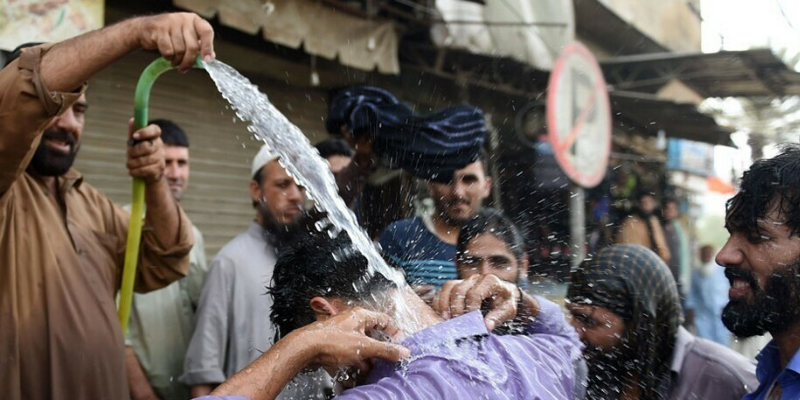
Hot weather conditions can influence many aspects of daily life in Karachi. For people who work outdoors—such as construction workers, delivery drivers, traffic police officers, and street vendors—the rising temperature may make working conditions more difficult.
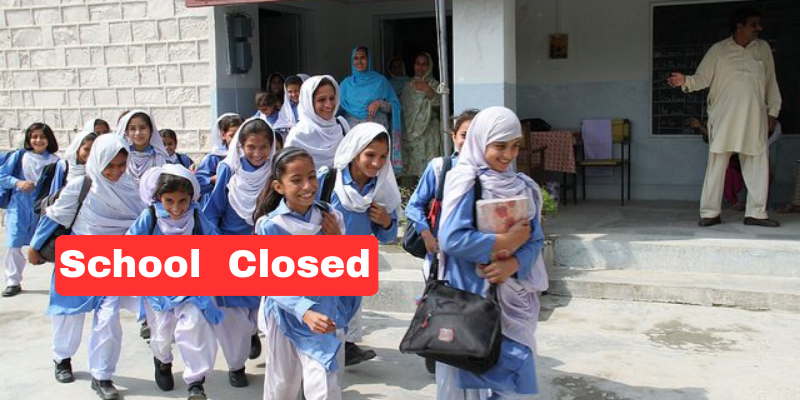
Students traveling to and from schools during midday hours may also feel the effects of the heat, particularly if transportation options are crowded or poorly ventilated.
Public transport users may experience warmer conditions in buses and minibuses, especially during peak travel times.
In residential areas, households often rely more heavily on fans and air conditioners during hotter days, which can increase electricity consumption across the city.
Health Experts Recommend Precautionary Measures
With temperatures expected to rise, health experts are encouraging residents to take basic precautions to avoid heat-related illnesses.
One of the most important recommendations is staying properly hydrated. Drinking plenty of water throughout the day helps the body regulate temperature and prevents dehydration.
People are also advised to avoid unnecessary exposure to direct sunlight during peak heat hours, which typically occur between 12 PM and 4 PM.
Wearing light-colored, loose-fitting clothing can also help reduce heat absorption and keep the body cooler.
Those who must travel outdoors during the afternoon should consider wearing hats or using umbrellas to protect themselves from direct sunlight.
Protecting Children and Elderly Individuals
Certain groups are more vulnerable to heat-related health issues. Children, elderly individuals, and people with pre-existing medical conditions may find it harder to cope with high temperatures.
Families are encouraged to ensure that children remain hydrated and avoid prolonged outdoor activities during the hottest part of the day.
Older adults should also take care to remain in well-ventilated environments and avoid unnecessary physical exertion during peak heat hours.
Checking on elderly family members and neighbors during extreme weather conditions can help ensure their safety and well-being.
Heat Safety for Outdoor Workers
Outdoor workers often face the greatest exposure to rising temperatures. Employers are encouraged to provide adequate breaks, shaded rest areas, and access to drinking water for workers who spend long hours outside.
Short rest breaks in cooler areas can help prevent exhaustion and heat stroke.
Workers should also be aware of warning signs of heat-related illness, such as dizziness, excessive sweating, headaches, or nausea.
Seeking shade and drinking water immediately can help prevent these symptoms from becoming serious.
Monitoring Weather Updates
The Pakistan Meteorological Department continues to monitor weather conditions across the country, including Karachi. Meteorologists regularly analyze temperature trends, humidity levels, wind patterns, and atmospheric pressure systems to provide updated forecasts.
Residents are encouraged to stay informed through official weather updates and local news sources.
If temperatures continue to rise in the coming days, additional advisories or warnings may be issued to help the public prepare for changing conditions.
Conclusion
Karachi is expected to experience hotter weather today as temperatures may reach 38°C, according to the latest forecast from the Pakistan Meteorological Department. Combined with 52 percent humidity and light easterly winds, the heat may feel more intense for many residents throughout the day.
While nighttime temperatures remain relatively mild at 22.5°C, the daytime warmth is expected to be noticeable, particularly during the afternoon hours.
Residents are advised to stay hydrated, avoid prolonged sun exposure, and follow basic heat safety precautions to remain comfortable and safe during the rising temperatures.
Weather officials will continue to observe conditions and provide updates if further temperature increases are expected in the coming days.