Karachi, Pakistan’s largest city and commercial hub, often experiences heavy traffic even on normal days. However, during large public gatherings and religious processions, the situation becomes more complex, requiring careful traffic management and planning. For Quds Day 2026, the Karachi Traffic Police have issued a detailed traffic plan to manage the expected crowds and ensure that the processions move smoothly without causing unnecessary disruption across the city.
The special traffic arrangements include the closure of several major roads and the introduction of diversion routes to help commuters navigate through alternative paths. Authorities have urged citizens to stay informed about the changes and plan their travel accordingly.
What Is Quds Day and Why Traffic Plans Are Important
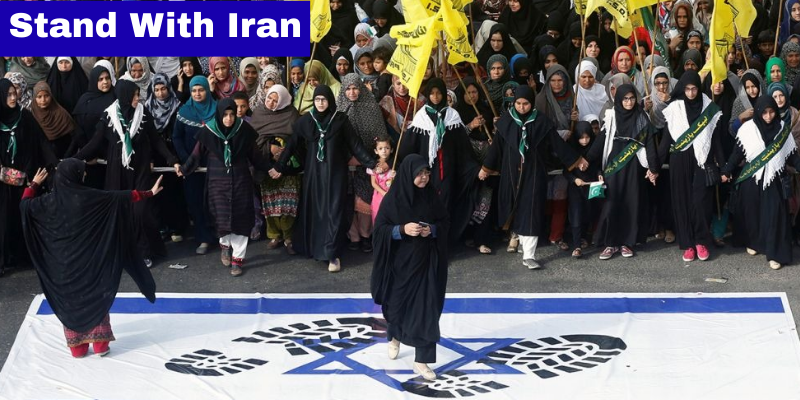
Quds Day is observed annually on the last Friday of Ramadan. It is marked by rallies, gatherings, and processions organized in different cities across the world to express solidarity with the people of Palestine. In Pakistan, especially in Karachi, large gatherings take place which require additional security and traffic control measures.
Because of the scale of these events, the city administration and traffic police introduce temporary traffic plans to maintain order and prevent congestion. These plans ensure that emergency services, public transport, and daily commuters can continue to move safely through the city.
Major Roads to Be Closed in Karachi
According to the traffic advisory issued by the Karachi Traffic Police, several key roads will be closed starting from 12:00 PM on the day of the Quds Day processions.
The most significant closures include the route from Boat Basin to Jinnah Bridge and the road connecting Boat Basin to Mai Kolachi. These routes are expected to remain heavily congested or completely blocked due to the movement of participants and security arrangements around the procession areas.
Additionally, the route from PIDC to Jinnah Bridge will be closed for regular traffic. M.T. Khan Road will also remain shut during the processions to ensure that the gatherings can proceed without any interruption.
These closures are part of a broader strategy designed to facilitate crowd control and reduce the risk of accidents or traffic bottlenecks in sensitive areas.
Traffic Diversions Introduced for Commuters
To minimize disruption for residents and commuters, the traffic police have also introduced several diversion routes. These diversions will help drivers reach their destinations while avoiding the closed areas.
Vehicles traveling from Boat Basin toward Mai Kolachi will be redirected using nearby U-turn points. This measure will help maintain traffic flow without allowing vehicles to enter the restricted zones.
Similarly, traffic moving from PIDC toward Jinnah Bridge will be diverted through Khajoor Chowk. This route will allow motorists to bypass the closed sections while still reaching central business districts.
For vehicles traveling near Jinnah Bridge, drivers will be guided toward I.I. Chundrigar Road. This road is one of Karachi’s major commercial corridors and can serve as an alternative pathway for many commuters.
Traffic officials will place clear diversion signs and deploy personnel on key intersections to assist drivers and maintain traffic flow.
Advice for Residents and Daily Commuters
The Karachi Traffic Police have advised residents to plan their travel schedules carefully on the day of the processions. People who need to travel through central areas of the city are encouraged to leave earlier than usual to avoid delays.
Commuters are also advised to follow the instructions of traffic officials and pay close attention to road signs placed along the diversion routes. Ignoring these directions could lead to confusion and increased congestion in nearby streets.
Public transport users may also experience changes in routes or delays due to the road closures. Therefore, passengers should check with transport operators before beginning their journey.
Impact on Business Districts
The closures and diversions are expected to affect several commercial zones in Karachi, particularly areas near I.I. Chundrigar Road, PIDC, and Jinnah Bridge. These districts host banks, offices, and corporate headquarters, meaning thousands of employees travel there daily.
Businesses operating in these areas may see temporary disruptions in employee commuting times and delivery schedules. However, many offices are aware of the traffic plan and may adjust working hours or allow remote work to accommodate staff.
Retailers and small businesses in nearby areas may also experience reduced customer traffic during the procession hours.
Security Arrangements Along Procession Routes
Along with traffic management, security agencies are also implementing strict safety measures. Law enforcement personnel will be stationed along the procession routes and nearby intersections to ensure public safety.
Barricades and checkpoints may be installed in certain locations to control vehicle entry and maintain order. These steps are considered necessary due to the large number of participants expected to attend the Quds Day rallies.
Security officials have requested the public to cooperate fully with authorities and avoid unnecessary travel through the affected zones.
Role of Traffic Police and City Administration
Managing traffic in a city as large as Karachi requires coordination between multiple departments. The Karachi Traffic Police, city administration, and law enforcement agencies work together to design and implement traffic strategies during large public events.
Traffic police officers will be deployed across the city to guide motorists, enforce road closures, and manage diversion routes. Their presence at major intersections will help prevent confusion and maintain steady traffic movement in surrounding areas.
The authorities also rely on real-time monitoring to respond quickly to unexpected congestion or route changes.
Public Awareness and Communication
The success of any traffic plan depends largely on public awareness. The Karachi Traffic Police regularly share updates through official announcements, social media platforms, and local news outlets to keep citizens informed.
Commuters are encouraged to follow official channels for the latest updates regarding road closures or route changes. Traffic conditions can evolve throughout the day depending on crowd size and procession movement.
Staying informed helps drivers avoid unnecessary delays and ensures smoother travel across the city.
Preparing for Traffic During Major Events
Events such as Quds Day highlight the importance of planning ahead when traveling in a large city. Even small adjustments in travel time or route selection can significantly reduce the stress of navigating heavy traffic.
Residents who do not need to travel through central areas are advised to avoid those routes entirely. Using navigation apps or checking traffic updates can also help drivers choose the best alternative routes.
For businesses and offices, informing employees in advance about traffic changes can help minimize disruptions.
Conclusion
The Quds Day 2026 processions in Karachi are expected to attract large crowds, making special traffic arrangements necessary for the safety and convenience of the public. With major roads such as Boat Basin to Jinnah Bridge, Boat Basin to Mai Kolachi, PIDC to Jinnah Bridge, and M.T. Khan Road scheduled for closure from 12 PM onward, commuters should prepare for temporary disruptions.
However, the Karachi Traffic Police have introduced diversion routes through Khajoor Chowk and I.I. Chundrigar Road to help drivers navigate the city more easily. By following official guidance and planning travel ahead of time, residents can avoid major delays and contribute to a smoother traffic flow during the processions.
Large events like Quds Day reflect the city’s vibrant public life, but they also require careful coordination between authorities and citizens. With cooperation and awareness, Karachi can successfully manage the challenges that come with hosting such significant gatherings.